
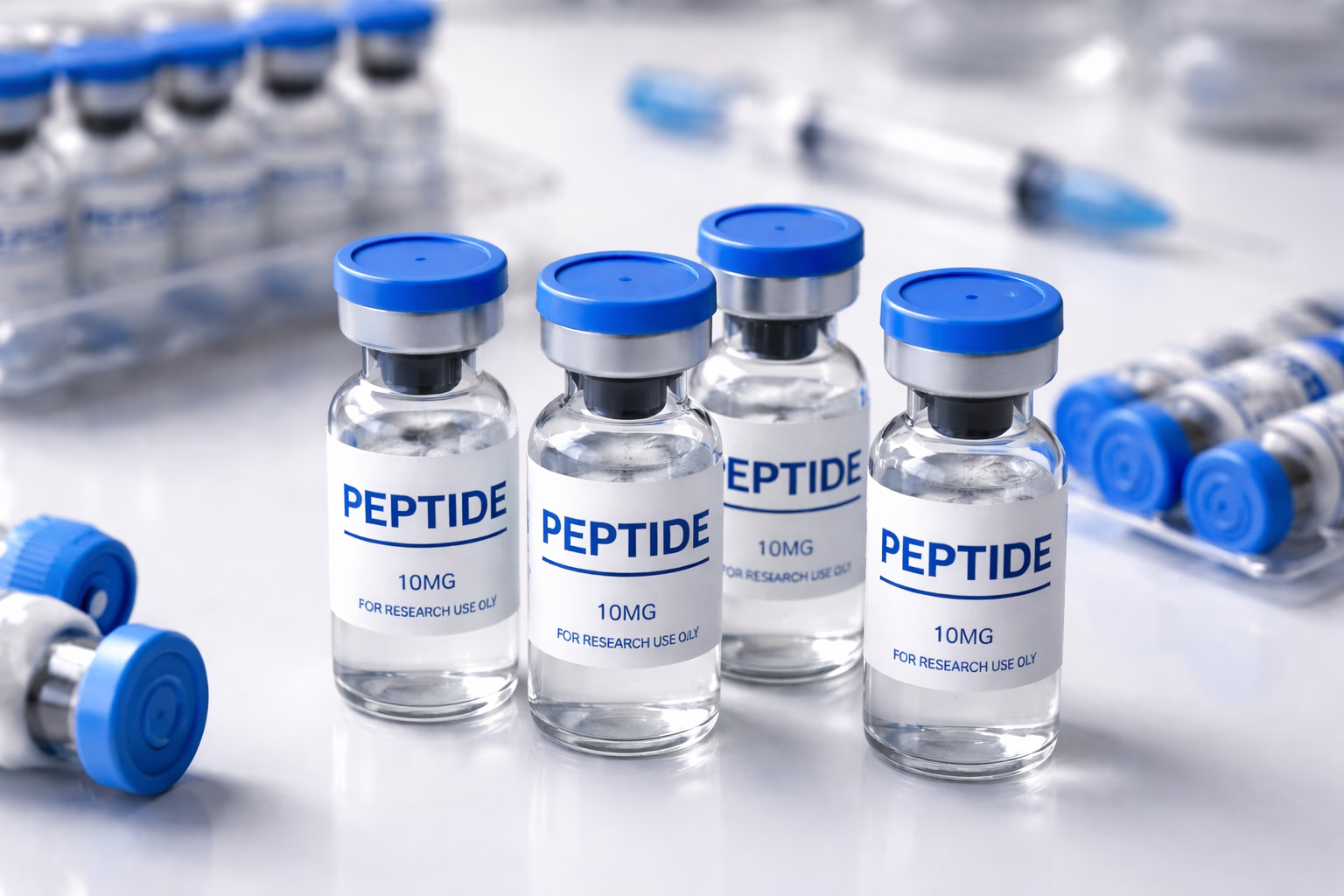

The beauty industry stands at the precipice of a regulatory shift that could reshape the landscape of anti-aging and cosmetic treatments. The Food and Drug Administration has signaled its willingness to reconsider restrictions on several peptides that have gained underground popularity for their remarkable beauty benefits. These compounds, which have been operating in regulatory gray areas, have attracted devoted followings among beauty enthusiasts who swear by their transformative effects on skin quality, hair growth, and overall appearance. The potential reversal comes at a time when injectable peptide treatments are experiencing unprecedented demand, with wellness clinics and beauty practitioners reporting surge in client inquiries despite the technically restricted status of many popular peptides.
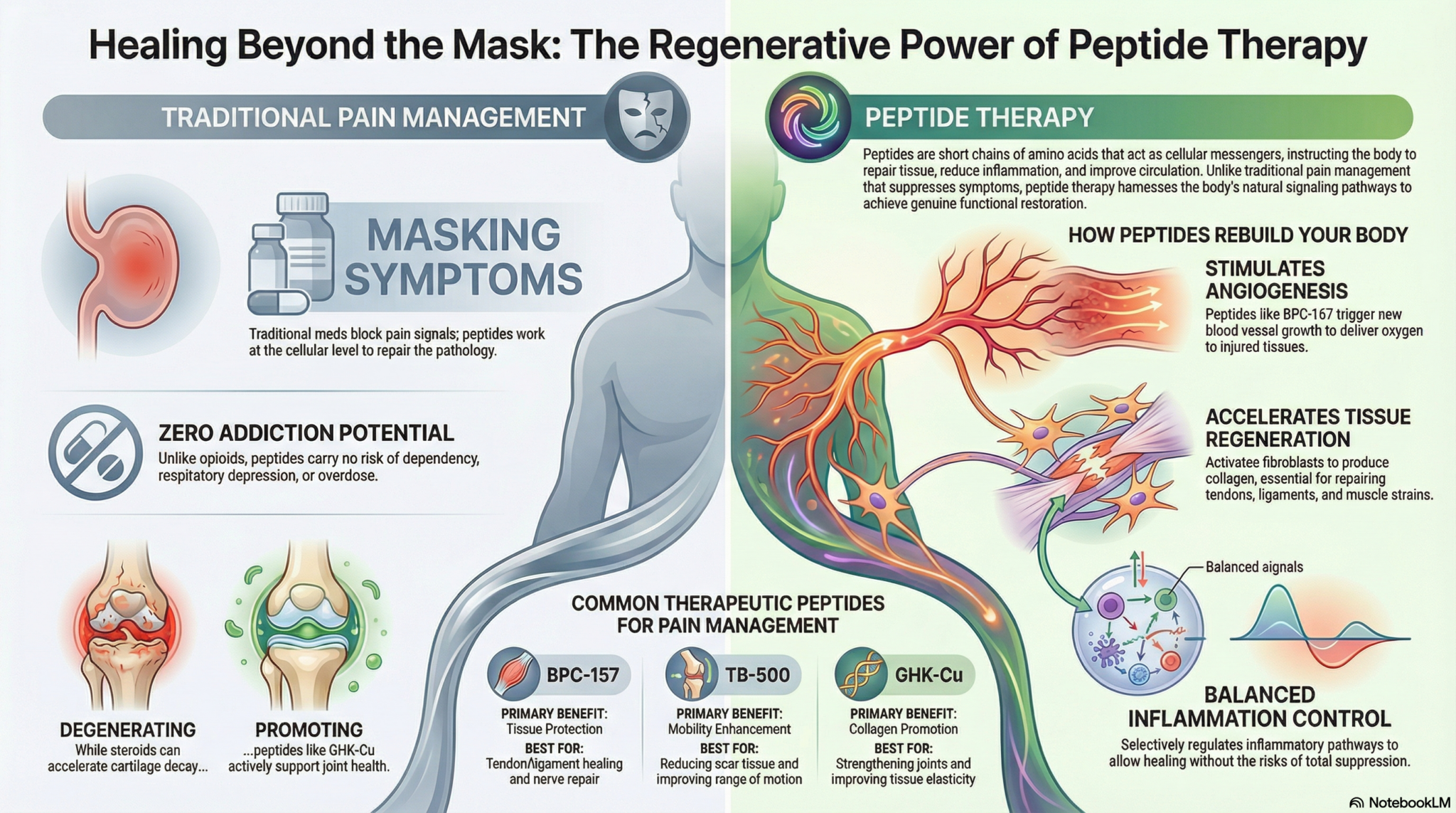
Peptides represent a fascinating frontier in beauty science, functioning as short chains of amino acids that signal cells to perform specific functions related to collagen production, skin repair, and cellular regeneration. Among the compounds under consideration for regulatory reversal are several that have shown promising results in clinical observations, including those that promote wound healing, enhance skin elasticity, and stimulate hair follicle activity. Beauty professionals have been closely monitoring developments around peptides like BPC-157, known for its tissue repair properties, and various growth hormone-releasing peptides that supporters claim can improve skin texture and reduce visible signs of aging. The scientific community has documented these compounds' potential benefits, though their restricted status has limited formal research opportunities.
The current regulatory landscape has created a complex environment where beauty seekers are increasingly turning to compounding pharmacies and specialized clinics that operate within legal loopholes. Industry insiders report that peptide enthusiasts have been experimenting with various combinations, or "stacks," often sourcing these compounds through channels that exist in regulatory gray areas. This underground movement has been driven by testimonials and before-and-after documentation shared across social media platforms and specialized forums, creating a grassroots community of peptide advocates who document their experiences with these restricted compounds. The phenomenon has caught the attention of regulatory bodies who recognize the need to address the growing demand through proper channels.
Medical professionals specializing in aesthetic treatments have been advocating for clearer guidelines and potential approval pathways for peptides with demonstrated safety profiles and beauty benefits. Dermatologists and plastic surgeons have observed clients achieving notable improvements in skin quality, healing times, and overall appearance through peptide treatments, though they stress the importance of proper medical supervision and quality control. The medical community emphasizes that any regulatory changes should prioritize patient safety while acknowledging the legitimate therapeutic potential of these compounds. Professional organizations have been working with regulatory bodies to establish frameworks that would allow for safe, supervised access to peptides with proven beauty applications.
The economic implications of potential regulatory changes extend far beyond individual treatment costs, with the global peptide therapeutics market positioned for significant expansion if restrictions are lifted. Beauty industry analysts project that approved peptide treatments could capture substantial market share from traditional cosmetic procedures, particularly among consumers seeking less invasive alternatives to surgical interventions. Pharmaceutical companies and biotech firms have been investing heavily in peptide research, anticipating regulatory shifts that would open new markets for beauty-focused applications. The potential approval could also legitimize the numerous wellness clinics and aesthetic practices that have been operating in regulatory gray areas, bringing these treatments into mainstream medical practice.
As the FDA deliberates on these regulatory changes, the beauty industry watches with anticipation for developments that could fundamentally alter the anti-aging and cosmetic treatment landscape. The outcome of these deliberations will likely influence not only the availability of specific peptide treatments but also set precedents for how emerging beauty technologies navigate regulatory approval processes. Industry stakeholders emphasize that any changes must balance innovation with safety, ensuring that consumers have access to effective treatments while maintaining appropriate medical oversight. The potential reversal represents more than regulatory adjustment—it signals a possible paradigm shift toward acceptance of advanced peptide therapies as legitimate tools in the modern beauty arsenal.